
Greater Dayton Ohio Animal Damage Repair Service
Provided By Barnes Wildlife Control
Serving Southwestern Ohio
Call 937- 340 -1867 Now
Serving Miami Valley | Montgomery County | Troy | Centerville | Beavercreek
Animal Damage Repairs And Wildlife Exclusion Service In Southwest Ohio
Animal damage can affect both residential and commercial properties, making professional repairs and wildlife exclusion important parts of restoring and protecting a building. We provide comprehensive animal damage repair and wildlife exclusion services throughout the Greater Dayton, Ohio area for homeowners and businesses dealing with unwanted wildlife.
Barnes Wildlife Control has offices in Beavercreek and Troy, allowing us to serve customers throughout the region. Our company has earned the trust of thousands of homeowners and businesses, many of whom have taken the time to share their experiences on our testimonials page.
Common Entry Points for Wildlife
Wildlife such as raccoons, bats, birds, squirrels, and other critters can enter through surprisingly small openings around your home, particularly where building materials meet or have become damaged or loose. Common entry points include:
- Ridge, Roof, Attic, Gable Vents
- Deck & Porch
- Gutter & Fascia Boards
- Drip Edge & Loose Flashing
- Chimney, Chase Cover & Open Exhaust Flue Pipes
- Garage Door Seals
- Window Seals
- Weep Holes & Other Masonry Gaps
- Dryer & Bathroom Exhaust Vents
- Siding & Corner Post Trim
- Loose Roofing Materials
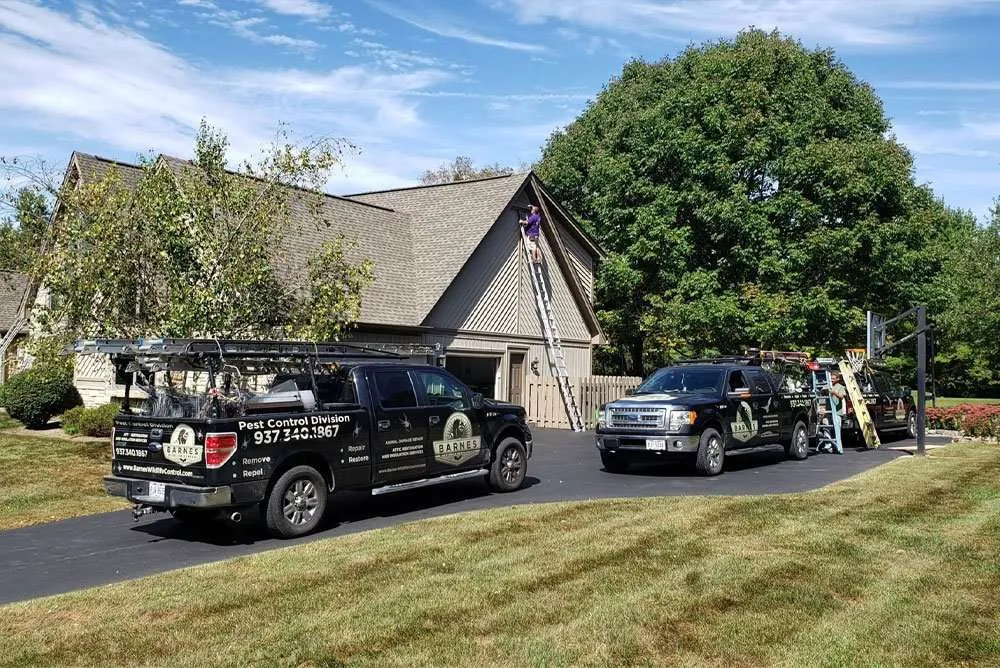
Our animal damage repairs and wildlife exclusion services were needed for fascia damage done by wildlife. The client was very happy.
If an animal has created an entry point into your home or under your deck, we can provide a durable exclusion solution to keep wildlife out.
The Importance of Wildlife Exclusion and Repairs
Removing an animal from your home or property does not resolve the problem if its entry point remains open. Wildlife exclusion helps address those vulnerable areas by sealing openings and repairing damage that could allow animals to return. We work as a team to make sure our exclusion and repair work is effective while maintaining the appearance of your property.
We handle a wide range of wildlife exclusion and repair work, including deck and patio screening, ridge protection, soffit replacement, vent guards, chimney crown rebuilds, and more.
Another chimney exclusion job well done by Barnes Wildlife Control. No more critters in this chimney and home!
Common Indicators of an Active Wildlife Infestation
Wildlife can leave behind noticeable signs when it enters your home. From mice in living areas to larger animals in the attic, identifying these warning signs early can help prevent more extensive property damage. Common indicators of an active rodent or wildlife infestation include:
- Droppings & Guano: Small pellets may indicate mice or rats, while crumbly piles in attics can point to bats. Larger cylindrical droppings may indicate raccoons.
- Gnaw Marks & Exterior Damage: Chewed wiring and drywall can indicate rodents, while damaged soffits, fascia, and shingles may point to raccoons or squirrels.
- Noises: Light scratching at night may suggest mice or rats, while daytime scurrying in the attic can indicate squirrels. Heavy thumping may be caused by raccoons or opossums.
- Nesting & Insulation Damage: Shredded paper and other materials can indicate rodent nests. Torn, compressed, or disturbed insulation may point to larger wildlife using the attic as a den.
- Smudges & Odors: Dark marks along baseboards can indicate areas where rodents frequently travel. Strong odors may also signal bat guano or raccoon urine.
- Compromised Entry Points: Bent vent covers, chewed wood trim, and displaced chimney caps can indicate openings that wildlife is using to enter your home.
Preventative Wildlife Services Can Save Money
Sealing the areas where animals have entered is an important part of wildlife exclusion, but it may not address every potential entry point around the home. We also inspect other areas for construction flaws and conditions that could allow wildlife to gain access in the future. We explain our findings and let you decide whether additional preventative work is right for your property.
No two homes have the same vulnerabilities, and the need for a particular repair depends on the home’s overall construction. Conditions around the roofline can be especially important, while attic wildlife can lead to some of the most extensive and costly animal damage repairs.
We want to help you avoid unnecessary repair expenses whenever possible. That is why we may recommend preventative services when they can address a legitimate concern before it becomes a larger problem. Our recommendations are based on the needs of your property, not simply on finding another service to sell.
Our Wildlife and Carpentry Team of Professionals
Every employee at Barnes Wildlife Control undergoes thorough training and works as part of a coordinated team to ensure animal damage repairs and wildlife exclusion work are completed properly. We take the time to address vulnerable areas and make repairs that are designed to keep unwanted wildlife from finding its way back inside.
We also offer attic restoration as an additional preventative service that helps remove animal odors and pheromones that may attract nuisance wildlife to the area in the future.
Superior Animal Damage Repairs and Exclusion
Many of our technicians have extensive backgrounds in carpentry and construction, giving them valuable experience with both structural repairs and the ways animals can find weaknesses in a home. Understanding how wildlife gets into crawlspaces, attics, and areas beneath decks allows our team to address entry points more effectively.
We use proven materials and repair methods designed to withstand the conditions around your home and help keep wildlife from getting back inside. Contact one of our Southwest Ohio offices to speak with a member of our team about how our animal damage repair services are performed.
Jack, our field manager, preparing an exclusion on the side of a house that had animal damage done by wildlife. Jack is a master of animal exclusions. His animal damage repairs are the best in the industry.
Understanding Eaves, Fascia, and Soffits
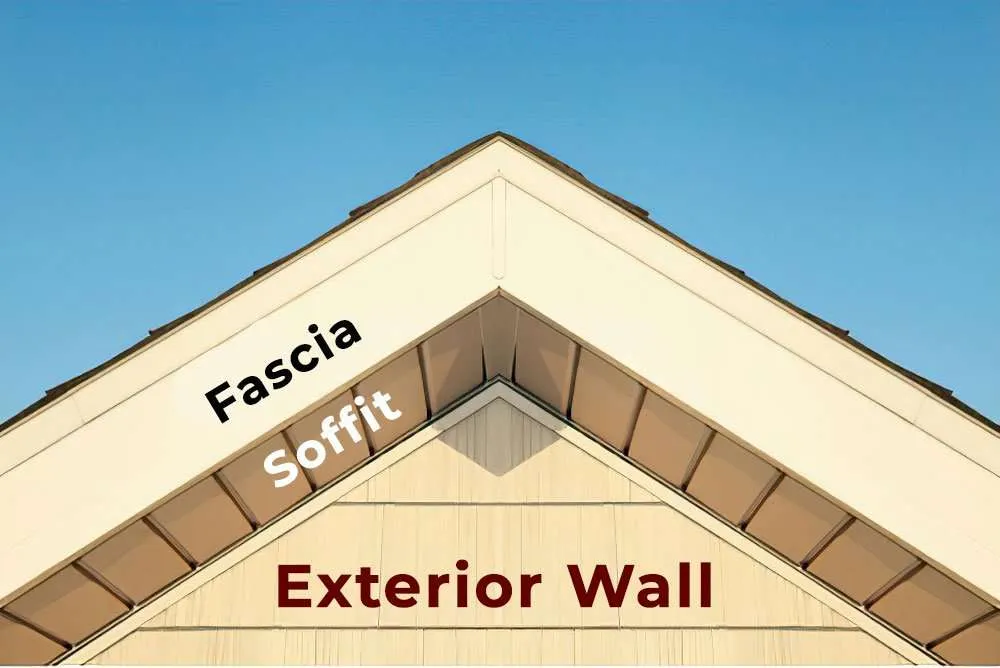
Eaves, fascia, and soffits are closely connected parts of your home’s roofline that can become vulnerable to wildlife entry. Understanding the differences between them can help explain where animals may find access. Here’s what each term means:
-
- Eaves: Eaves are the portions of a roof that extend beyond the exterior walls of a home.
- Fascia: Fascia consists of horizontal boards or structures that run along the lower edge of the roof.
- Soffits: Soffits are the finished surfaces located on the underside of a roof’s eaves.
- Connection: Soffits help bridge the space between the fascia and the exterior walls of the home.
Together, eaves, fascia, and soffits help protect your home from water, moisture, and sunlight. When these areas become damaged or rotten, wildlife such as raccoons, squirrels, bats, and birds can easily chew through the weakened materials and get inside.
When animals damage your roofline, leaving the problem unrepaired can lead to additional property damage and costly repairs. Addressing the damage promptly can help prevent further problems.
Vent Damage Repairs and Exclusion
Exposed roof vents can provide easy access for wildlife that can reach your roof. Damaged vents can allow animals to enter the areas behind them, potentially leading to additional property damage.
Installing vent guards, chimney caps, and other protective covers can help keep wildlife out. Addressing vulnerable areas around the roofline can also reduce opportunities for animals to get inside.
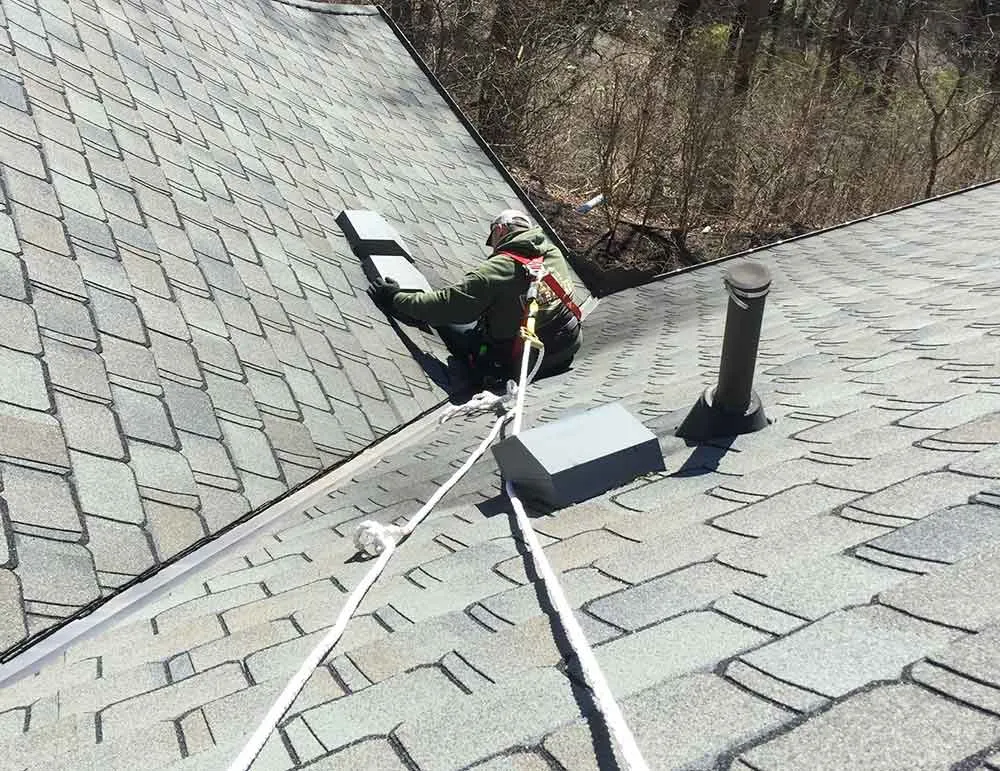
Barnes Wildlife Control includes animal-proofing as part of our removal services. We seal potential entry points and repair or replace damaged vents, shingles, soffits, and other exterior components.
Foundation Repairs and Wildlife Damage
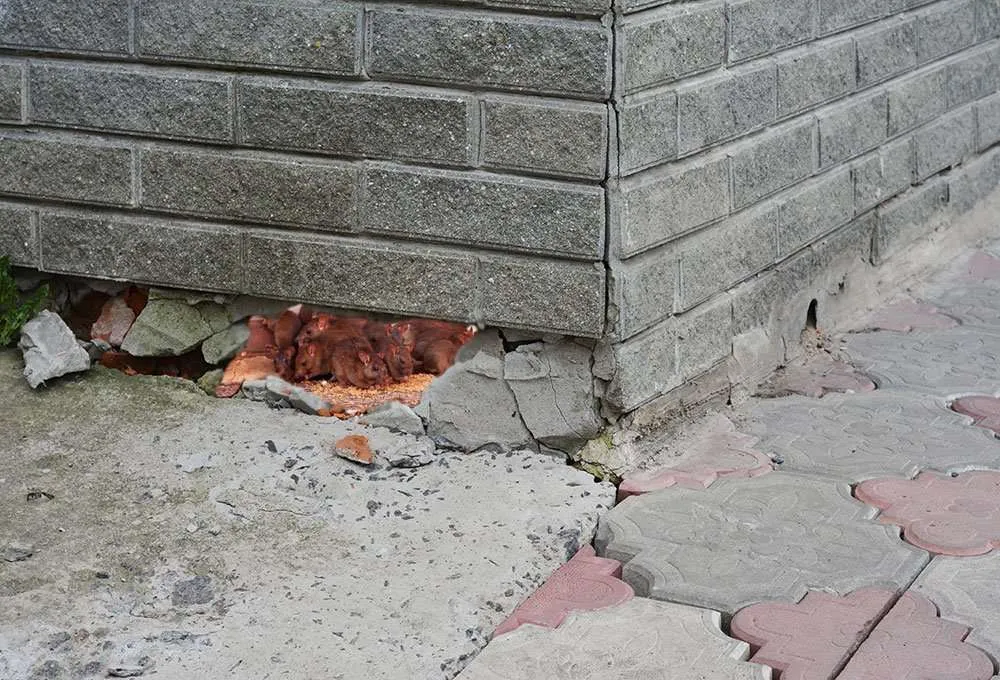
The area around your home’s foundation can be another vulnerable location for wildlife. Groundhogs, raccoons, and skunks may dig beneath the foundation to create dens, while other animals can find their way through damaged or poorly constructed foundation vents.
Wildlife must be removed before repairs can be completed. After removal, we can repair damaged areas and seal potential entry points. If you notice signs of animal activity around your foundation, addressing the problem promptly can help limit further damage.
Complete Animal Damage Repairs from Barnes Wildlife Control
Barnes Wildlife Control does more than remove wildlife from your home. After removal, we seal potential entry points and repair or replace damaged vents, shingles, soffits, and other exterior components to address the effects of animal activity throughout Southwest Ohio.
Our goal is to restore your home while addressing the conditions that allowed wildlife to enter in the first place. We combine animal damage repairs with wildlife exclusion to help prevent recurring problems.
Contact Barnes Wildlife Control today for animal damage repair services in the Greater Dayton, Ohio area.
Don't Leave Your Home Open to Rodents and Wildlife
Expiration 8/31/2026


