
Bat Activity in Miami Valley: Local Species and Behavior
Bats are an important part of the natural environment in Miami Valley, even though they are often misunderstood. These nocturnal mammals help reduce the populations of mosquitoes and other nuisance insects, making them beneficial to local ecosystems.
Bats may create healthy environments outdoors, but they can become an issue when they begin roosting inside attics, chimneys, wall voids, or other areas of a home or business.
In this guide, we’ll take a closer look at common bat behavior in Miami Valley, why bats are attracted to structures, and how Barnes Wildlife Control provides safe, humane, and effective bat removal and exclusion services.
Call 937- 340 -1867 Now
Serving Miami Valley | Montgomery County | Troy | Centerville | Beavercreek
Common Bat Behaviors
Bats are frequently associated with myths and misconceptions, but they’re actually gentle mammals that have some fascinating adaptations.
How Bats Navigate in the Dark
Bats rely on a fascinating ability known as echolocation to move through darkness and locate prey. As they fly, they emit high-frequency sounds that bounce off any surrounding objects and return to their ears. By processing these returning sound waves, bats can identify obstacles, locate insects, and navigate with exceptional accuracy. This natural sonar system allows them to hunt efficiently after sunset.
Local Bat Diets
The majority of bat species found in our area are insectivores, meaning insects make up nearly their entire diet. Common prey includes mosquitoes, beetles, moths, flies, wasps, and other flying insects. In fact, a single bat can consume up to 1,200 mosquitoes in an hour, making bats one of nature’s most effective forms of insect control.
Where Bats Form Nests
Bats are well known for resting upside down. Their lightweight skeletal structure and specialized tendons allow them to hang comfortably using very little energy. During colder months, insect populations decline and food becomes difficult to find. To survive these conditions, many local bat species enter a state called torpor, a form of hibernation that helps them conserve energy until temperatures rise.
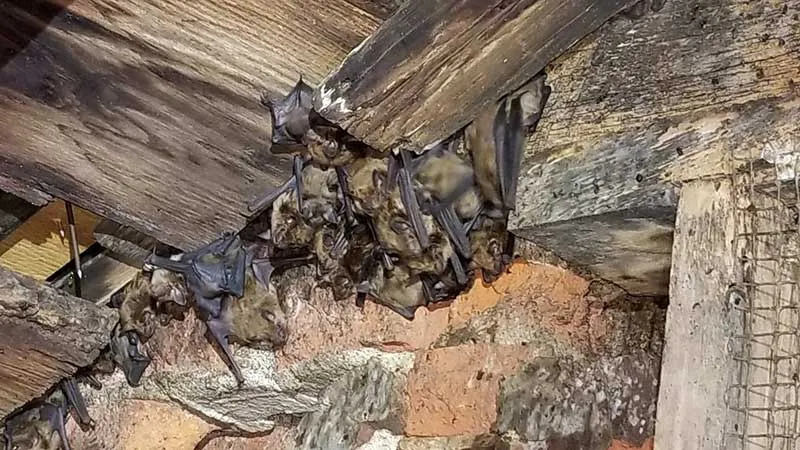
In natural settings, bats typically roost in caves, hollow trees, and rock crevices. As residential areas expand, many bats have adapted to human-made structures. Attics, chimneys, ceilings, and wall voids often provide the darkness, warmth, humidity, and protection they seek.
Colony and Maternity Behavior
Bats are social animals that commonly gather in groups known as colonies. Several species found throughout Miami Valley, including the Mexican Free-Tailed Bat, Little Brown Bat, and Big Brown Bat, are known for forming maternity colonies. A maternity colony is made up of female bats that gather in a secure location to give birth and raise their pups. Because attics provide warmth and protection, they are often selected as nursery sites.
When large colonies establish themselves inside a home or building, the number of bats present can quickly create significant issues for property owners.
Issues Caused by Bats Inside Buildings
Although bats are beneficial outdoors, they can create a variety of concerns if they begin roosting inside homes.
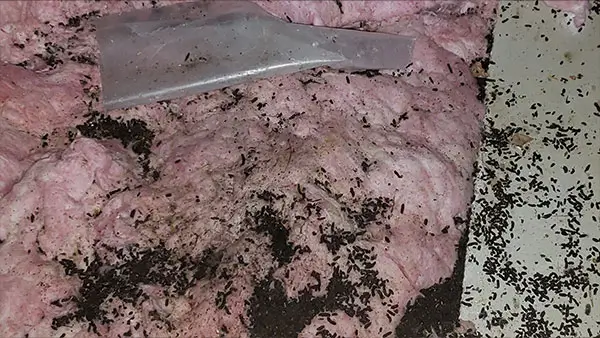
- Guano Accumulation: Bat droppings, known as guano, can accumulate quickly when a colony occupies an attic or wall cavity. Over time, these droppings can contaminate insulation, stain surfaces, and produce strong odors that spread throughout the structure. In addition to unpleasant smells, large guano deposits can create serious health concerns.
- Respiratory Health Risks: As guano breaks down, fungal growth can develop within the accumulated waste. When disturbed, fungal spores may become airborne and spread throughout the affected area. Exposure to these spores can potentially lead to Histoplasmosis, a respiratory illness that can be serious in certain situations.
- Rabies Risks: Healthy bats generally avoid people and remain active during the evening and nighttime hours. If a bat is seen flying during the day, crawling on the ground, unable to fly, or displaying unusual behavior, it may be sick and could potentially carry rabies or another disease. For safety reasons, bats should never be handled without proper training and protective equipment.
Why Professional Bat Exclusion Matters
If you’re hearing noises in the attic, noticing unusual odors, or observing bats entering and leaving your home, it’s important to address the problem properly. Because bats are protected wildlife, all removals or exclusion services must follow the applicable regulations.
At Barnes Wildlife Control, we use a humane process that removes bats safely and helps prevent future infestations.
- Inspection: The process begins with a detailed inspection of the property. We’ll identify active roosting locations, locate entry points, and evaluate the extent of the infestation.
- Bat Removal: Rather than harming bats, we use one-way exclusion devices that allow them to exit the structure naturally. Once they leave, they are unable to re-enter the building.
- Sealing Entry Points: After all bats have safely exited, we seal any vulnerable openings and access points to prevent future bat activity.
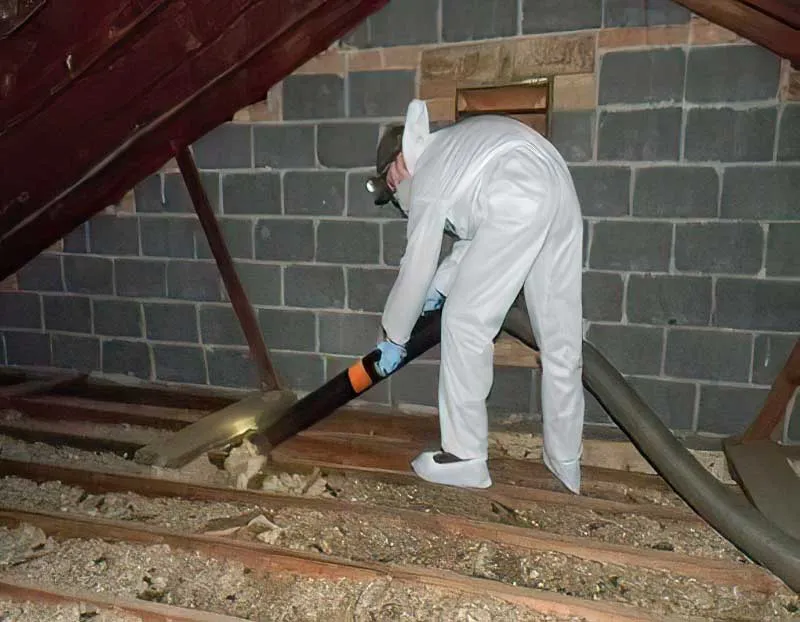
- Cleanup and Odor Treatment: Once the bats are gone, any affected areas can be treated using specialized biological enzyme products. These treatments help break down organic matter, reduce bacteria, and eliminate lingering odors associated with bat activity.
Dealing With a Bat Infestation?
Bats play an important role in our environment, but they should not be living inside your home. When bats establish a colony indoors, professional removal and exclusion services are the safest way to resolve the problem.
The team at Barnes Wildlife Control provides humane, effective bat control solutions designed to protect your property while respecting local wildlife.
Contact us or call 937-340-1867 today to schedule an inspection and request a customized service quote.
Frequently Asked Questions
Are bats harmful to humans?
Most bats actively avoid people and pose little threat when left alone. However, accumulated guano can contribute to respiratory health concerns, and bats are capable of transmitting rabies through bites. Bat encounters should always be handled by trained professionals.
Do bats in Miami Valley feed on blood?
No. The bat species commonly found in Miami Valley, including Little Brown Bats and Big Brown Bats, feed almost exclusively on insects such as mosquitoes, moths, beetles, and flies.
Only three known species of vampire bats feed on blood, and they are found in parts of Mexico, Central America, and South America.
Can I remove or trap bats myself?
No. Bats are protected wildlife, so harming them will violate state or local laws. Professional exclusion services provide the safest and most reliable way to remove bats from an area.
Why do bats keep nesting on my property?
Bats are known to return to successful roosting locations year after year. Unless entry points are properly sealed after the removal process, bats may attempt to access the structure in the future.


