
Chimney Swift Removal Service
Provided By Barnes Wildlife Control
Serving Southwestern Ohio
Call 937- 340 -1867 Now
Serving Miami Valley | Montgomery County | Troy | Centerville | Beavercreek
Barnes Wildlife Control Is Your Trusted Ohio Chimney Swift Removal and Control Company
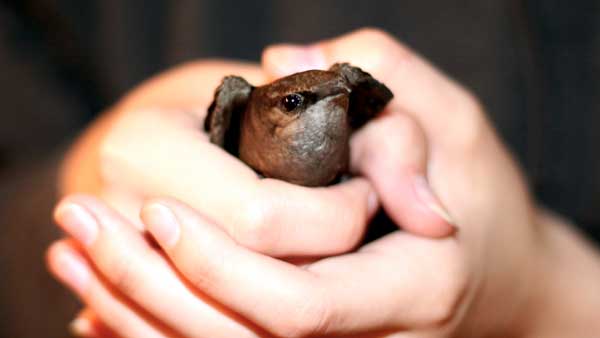
The Chimney Swift (Chaetura pelagica) is a single, distinct species of swift native to North America. There are no recognized subspecies or different “types” within the Chimney Swift species. All Chimney Swifts share similar characteristics, such as dark gray-brown plumage, slender bodies, and swift, agile flight patterns.
Chimney Swifts are small, migratory birds known for their aerial acrobatics and reliance on chimneys and similar structures for nesting and roosting. In Dayton, Ohio, and the Miami Valley Region, as in many other parts of North America, Chimney Swifts face several significant challenges that have led to a decline in their population, though they remain a significant problem in many Ohio homes, chimneys, and buildings.
While Chimney Swifts can cause certain problems when they nest in home chimneys, these issues can be managed responsibly. Taking proactive steps—such as scheduling maintenance appropriately, installing chimney caps, and providing alternative nesting sites—allows homeowners to mitigate disturbances while contributing to conserving this beneficial bird species. Call Barnes Wildlife Control for your chimney swift removal project at 937-340-1867.
Video: Chimney Swifts In An Ohio Chimney!
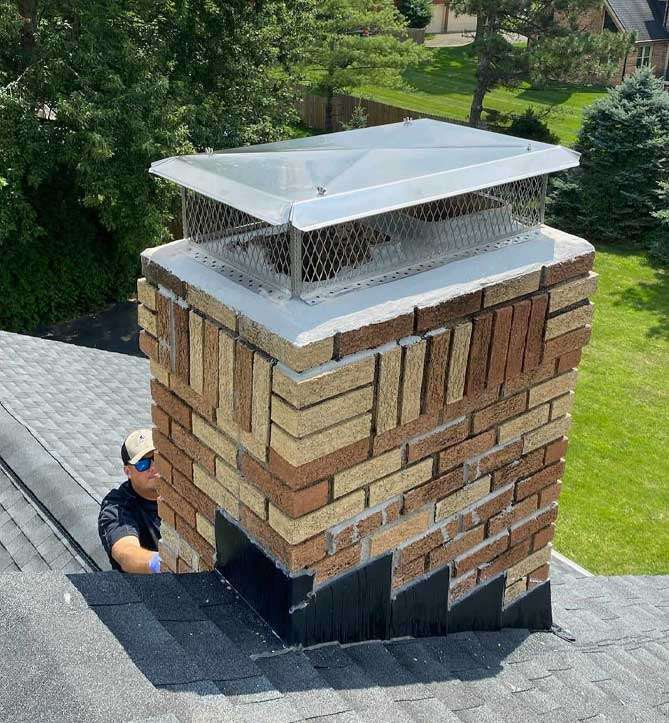
The Best Time To Cap An Ohio Chimney To Prevent Chimney Swifts From Nesting
The best time to cap a chimney to prevent chimney swifts from nesting is in the fall, after the birds have migrated, but before the winter sets in. Here’s a more detailed timeline that Barnes Wildlife Control suggests:
1. Late Summer to Early Fall (August to October):
Monitor for Activity: Watch for signs that the swifts are preparing to migrate. Chimney swifts usually begin their migration south in late summer to early fall.
Wait for Departure: Ensure that all the birds have left the chimney before proceeding. This timing is crucial to avoid trapping any birds inside.
2. Early to Mid-Fall (October to November):
Inspect the Chimney: Once you’re certain the swifts have left, inspect the chimney for any remaining nests or debris that may need to be removed.
Clean the Chimney: Have the chimney professionally cleaned to remove any nesting material, droppings, and to ensure there are no blockages.
3. Install the Cap:
Cap Installation: After cleaning, install a chimney cap with a fine mesh screen. This will prevent swifts and other wildlife from entering the chimney in the future.
Check for Proper Fit: Ensure the cap is securely fitted and covers the entire opening to prevent any gaps.
4. Before Winter:
Finalize Preparations: It’s best to complete the capping process before winter, as this will also help prevent snow, rain, and debris from entering the chimney during the colder months.
By capping the chimney in the fall after the swifts have migrated, you ensure that you are in compliance with wildlife protection laws and effectively prevent any future nesting in your chimney.
Can Chimney Swifts Cause Damage?
Chimney swifts generally do not cause significant structural damage, but their presence can lead to some concerns:
1. Nesting Debris:
Blockages: Chimney swifts build their nests using small twigs and saliva, attaching them to the chimney walls. If multiple nests accumulate or if debris falls, it can potentially block the flue. This blockage can prevent proper ventilation, which may lead to dangerous situations like carbon monoxide buildup or reduced fireplace efficiency.
2. Noise:
Disturbance: The birds are active and vocal, especially the young, which can cause noise that might be bothersome to the household. This is particularly noticeable when the young are begging for food.
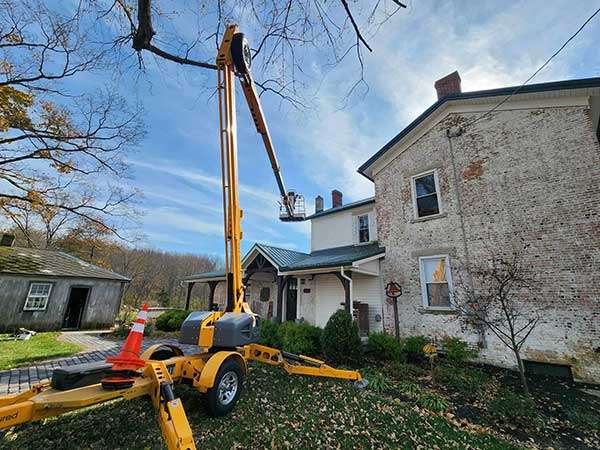
Properly designed homes will exclude chimneys or use materials and structures unsuitable for Chimney Swifts to nest. Barnes Wildlife Control’s chimney swift experts can help!
3. Droppings:
Sanitation Issues: Accumulating droppings from chimney swifts can become a sanitation issue. If droppings build up inside the chimney or around the fireplace, it can lead to unpleasant odors and potential health concerns.
4. Attraction of Other Pests:
Parasites: While chimney swifts are not usually carriers of pests, their nests can attract mites, fleas, or other small insects that might find their way into the home. The chimney swift bug (Cimexopsis nyctalis) and the swallow bug (Oeciacus vicarius) typically feed on birds. Occasionally, they can be found in homes when birds are nesting in areas like attics or eaves. If their usual bird hosts are not around, these bugs can also feed on humans.
5. Chimney Deterioration (Long-term):
Moisture Retention: While not a common issue, there is a slight risk that the nests could retain moisture, which, over time, might contribute to the deterioration of the chimney lining if left unchecked. This is more of a potential long-term issue rather than immediate damage.
6. Fire Hazard:
Combustible Materials: Although rare, the nesting materials could become a fire hazard if a fire is lit in the fireplace while the nest is present.
In summary, while Ohio chimney swifts are not typically destructive, their presence can cause inconveniences and minor issues that should be addressed. Proper maintenance and timely exclusion measures can prevent these problems from becoming more serious.
Getting Rid Of Ohio, Chimney Swifts Requires A Careful And Legal Approach
Since chimney swifts are protected under the Migratory Bird Treaty Act. Here’s a strategy you can use:
1. Timing is Key:
Wait Until After Nesting Season: Chimney swifts usually nest from late spring to early summer. It’s crucial to wait until the birds have left the nest before taking any action. Once they migrate in the fall, you can safely proceed with removal and exclusion.
2. Inspection:
Chimney Inspection: Conduct a thorough inspection of the chimney to confirm the presence of chimney swifts. Look for nesting materials, droppings, or the birds themselves.
3. Humane Removal:
Avoid Physical Disturbance: Do not attempt to remove the birds manually or disturb the nest, as this is illegal.
Use Noise or Light Deterrents: Once the birds have left, you can use noise or light to deter them from returning until you can install proper exclusions.
4. Exclusion:
Install a Chimney Cap: After the birds have migrated, install a chimney cap with a mesh screen to prevent them from re-entering next season. Ensure the cap is properly fitted and secure to prevent any gaps.
Repair Any Damage: Address any structural issues with the chimney that might have provided access to the birds.
5. Cleaning and Sanitizing:
Remove Nesting Materials: Once you’re certain the birds have left, carefully remove the nesting materials. Be sure to wear protective gear to avoid exposure to any parasites or droppings.
Sanitize the Chimney: Clean and sanitize the chimney to remove any lingering odors that might attract the birds again next season.
6. Monitor and Maintain:
Regular Inspections: After installing the chimney cap, regularly inspect it to ensure it’s still in good condition.
Seasonal Monitoring: Check the chimney before the swifts’ nesting season to ensure no birds have entered or are attempting to enter.
7. Professional Assistance:
Consult our Barnes Wildlife Control chimney swift professional: If you’re unsure about any steps or if the problem persists, consider hiring a Barnes Wildlife Control licensed wildlife control professional. We can provide expert advice and services while ensuring compliance with legal protections for chimney swifts.
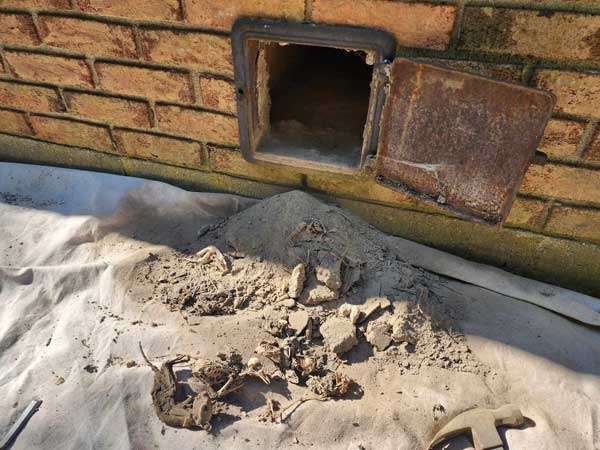
We have the necessary chimney cleaning equipment to address all chimney blockage issues due to nesting chimney swifts. Call Barnes Wildlife Control’s chimney swift experts at 937-340-1867.
What If Chimney Swifts Return?
If chimney swifts return to your chimney after you’ve capped it, it suggests that there might be an issue with the cap, or the birds are trying to find a new access point. At Barnes Wildlife Control, we guarantee that we will properly cap a chimney the first time. If you have gone with another service provider here’s what you can do:
1. Immediate Action:
Check the Cap: Inspect the chimney cap to ensure it’s securely in place and that there are no gaps or damaged areas that the birds could exploit.
Repair or Replace the Cap: If the cap is damaged or improperly installed, repair or replace it immediately. Make sure the mesh is fine enough to prevent swifts from entering but still allows proper ventilation.
2. Deterrence:
Use Deterrents: If the swifts are persistently trying to enter, consider using deterrents like reflective tape, aluminum foil, or even hanging strips near the chimney to create visual or auditory disturbances that discourage the birds from approaching.
Noise Deterrents: Some people use noise deterrents, such as ultrasonic devices, though their effectiveness can vary.
3. Legal Considerations:
Do Not Disturb Active Nests: If swifts have managed to get into the chimney and are nesting, you must wait until they leave. Chimney swifts are protected by law, and it’s illegal to disturb or remove active nests.
Monitor for Migration: Keep an eye on when the birds leave, typically late summer to early fall, so you can re-secure the chimney.
4. Long-Term Solutions:
Inspect Your Home: Check for any other potential entry points around your home where the swifts might try to nest, such as vents, attics, or other openings. Securing these areas can prevent future problems.
Consider Our Professional Help: If the issue persists, consulting with our professionals at Barnes Wildlife Control will be necessary. We can offer more tailored solutions and ensure that everything is done in compliance with legal protections for chimney swifts.
5. Prevent Future Issues:
Regular Inspections: Conduct regular inspections of the chimney, especially before the swifts’ nesting season in the spring, to ensure the cap and other preventive measures are intact.
Maintenance: Ensure the chimney cap and any other exclusion devices are in good condition year-round.
By following the above steps, you can better prevent chimney swifts from returning while staying within legal guidelines.